Two weeks in Sri Lanka can hold ancient cities, Kandy, tea country, a scenic train, one safari and a genuine coastal finish. It works only when the route is treated as 13 hotel nights with recovery time, not as fourteen unlimited sightseeing days.
This private-driver itinerary follows a clockwise circuit from the airport through Sigiriya, Kandy, Nuwara Eliya, Ella, safari country and the south coast. It uses the car for continuity while preserving one rail experience and a separate safari-jeep handoff, and it can be compared with the broader existing fourteen-day route.
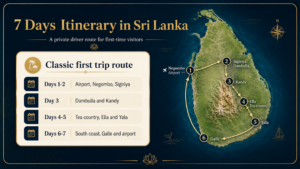
Two weeks in Sri Lanka: the route at a glance
The route uses six practical phases rather than fourteen unrelated day tours. Each phase solves a different part of the trip: recovery, heritage, living culture, highland scenery, wildlife and coast.
Sri Lanka Tourism notes that travel around the compact island can still be time-consuming in its official getting-around guidance. Approximate city-to-city figures are useful for shape, but they do not include the airport process, hotel access, meals, weather, roadworks or stops.
Protect the arrival night, use multi-night bases and keep the final airport transfer realistic.
Negombo, Sigiriya, Kandy, tea country, safari country and one south-coast base create a coherent circuit.
Use the train as a chosen experience while the driver handles the large luggage and road continuity.
The touring driver reaches the park area, while a separate authorised jeep and park driver handle the safari.
Scroll horizontally to view all six itinerary columns →
| Route phase | Nights | Main base | Principal experience | Driver’s practical role | Confirm before booking |
|---|---|---|---|---|---|
| Arrival | 1 | Negombo or airport area | Recover from the flight without a compulsory tour | Meet the correct flight, load every bag and make a short first transfer | Waiting rule, delayed-flight contact and hotel entrance |
| Cultural Triangle | 3 | Sigiriya or Habarana | Sigiriya plus one separate heritage or landscape day | Sequence early starts, meals and legal pickup points without changing hotels | Walking ability, guide needs and which visit is the priority |
| Kandy | 2 | Kandy | Sacred-city context, garden or a slower cultural day | Handle difficult parking and agree a clear pedestrian pickup point | Temple clothing, local guide, evening traffic and hotel access |
| Tea country | 3 | Nuwara Eliya area, then Ella | Tea landscapes and one scenic rail sector | Carry main luggage by road and meet the travellers after the train | Real ticket, station names, carriage plan and backup road route |
| Safari country | 1 | Tissamaharama or suitable park base | One morning or afternoon game drive | Coordinate hotel, park gate and separate safari-jeep handoff | Park choice, permit, jeep price, naturalist and cancellation rule |
| South coast | 3 | Galle or one nearby beach base | Fort, coast and two genuinely slower periods | Provide short local transfers and protect the final airport buffer | Beach conditions, final-night location and flight check-in time |
The table stays exactly within the article-body width while the six columns scroll inside it on desktop and mobile. Read the route by nights and handoffs before focusing on individual attractions.
REAL TAXI-CHARTER GUESTS
Real travellers beginning a private circuit
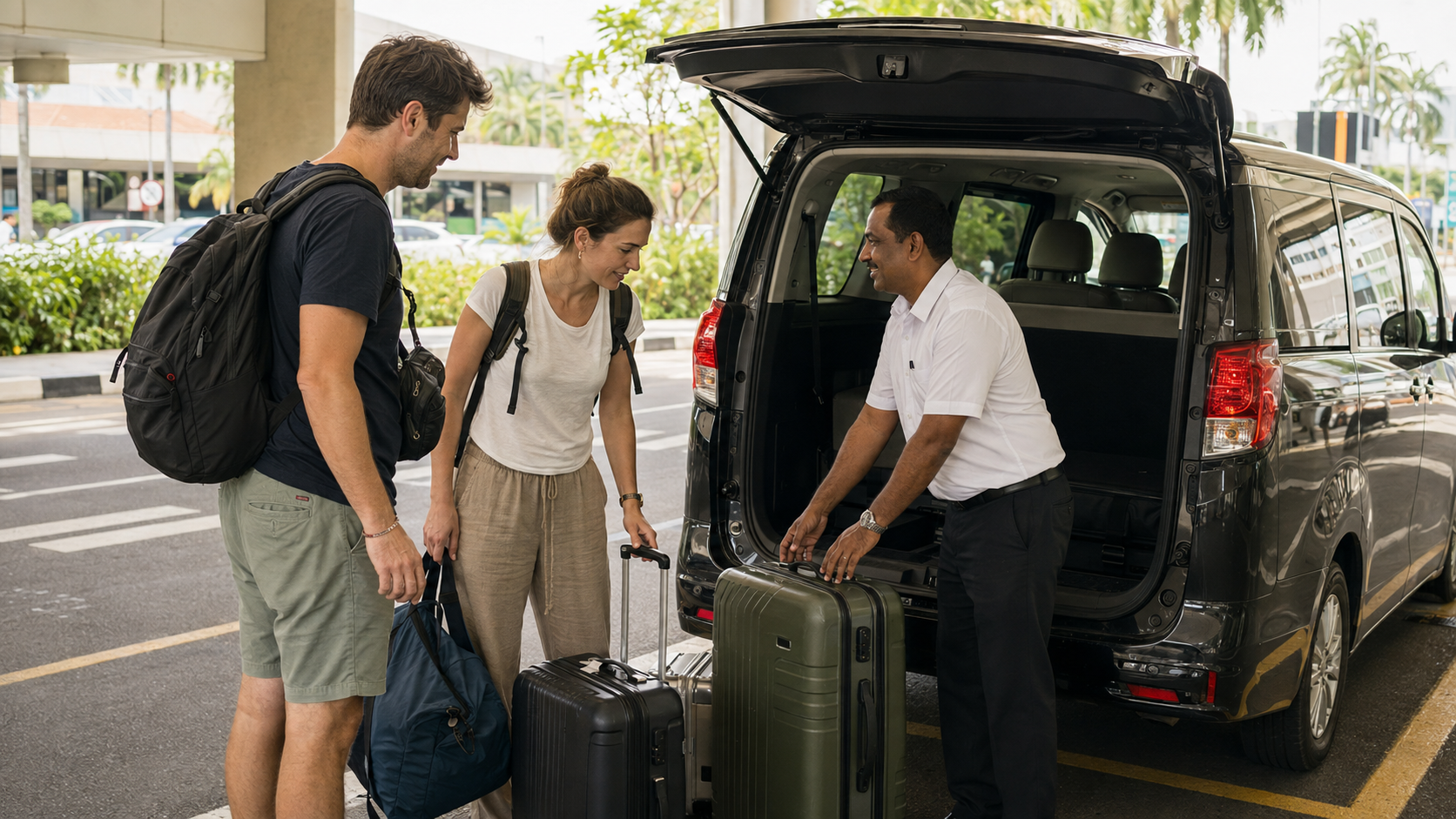
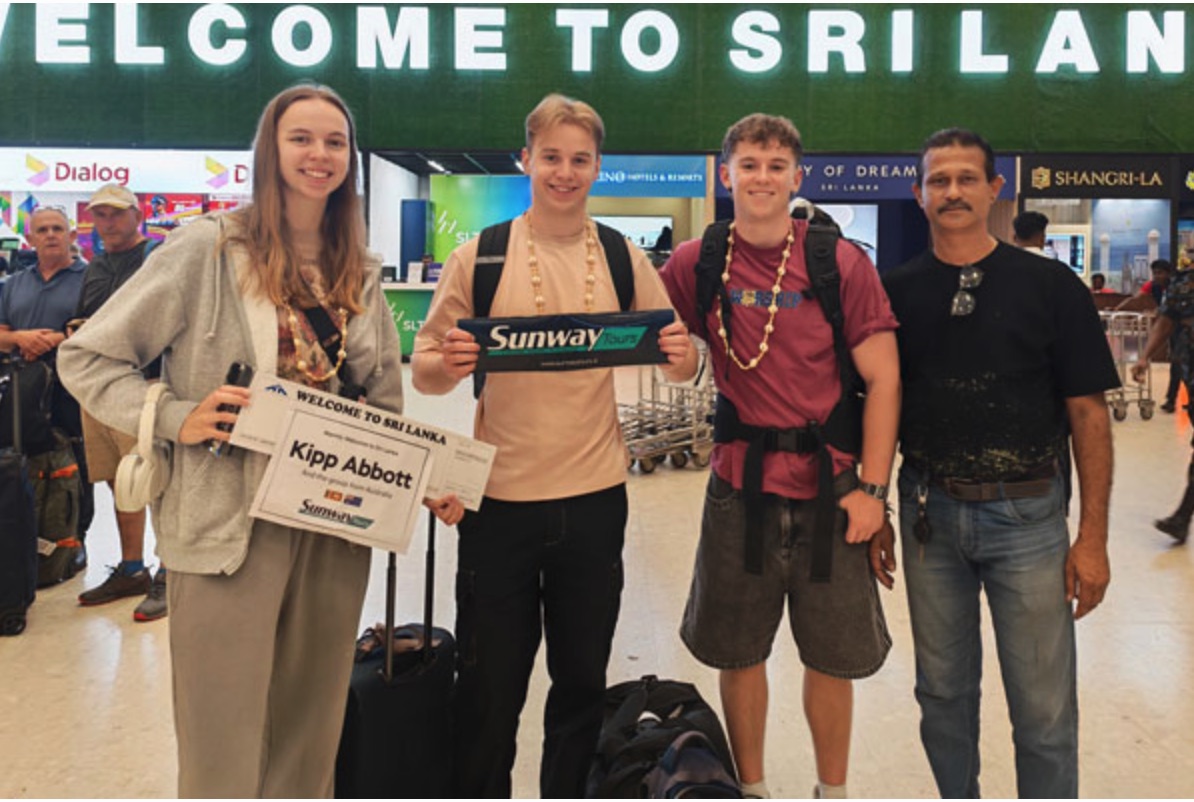
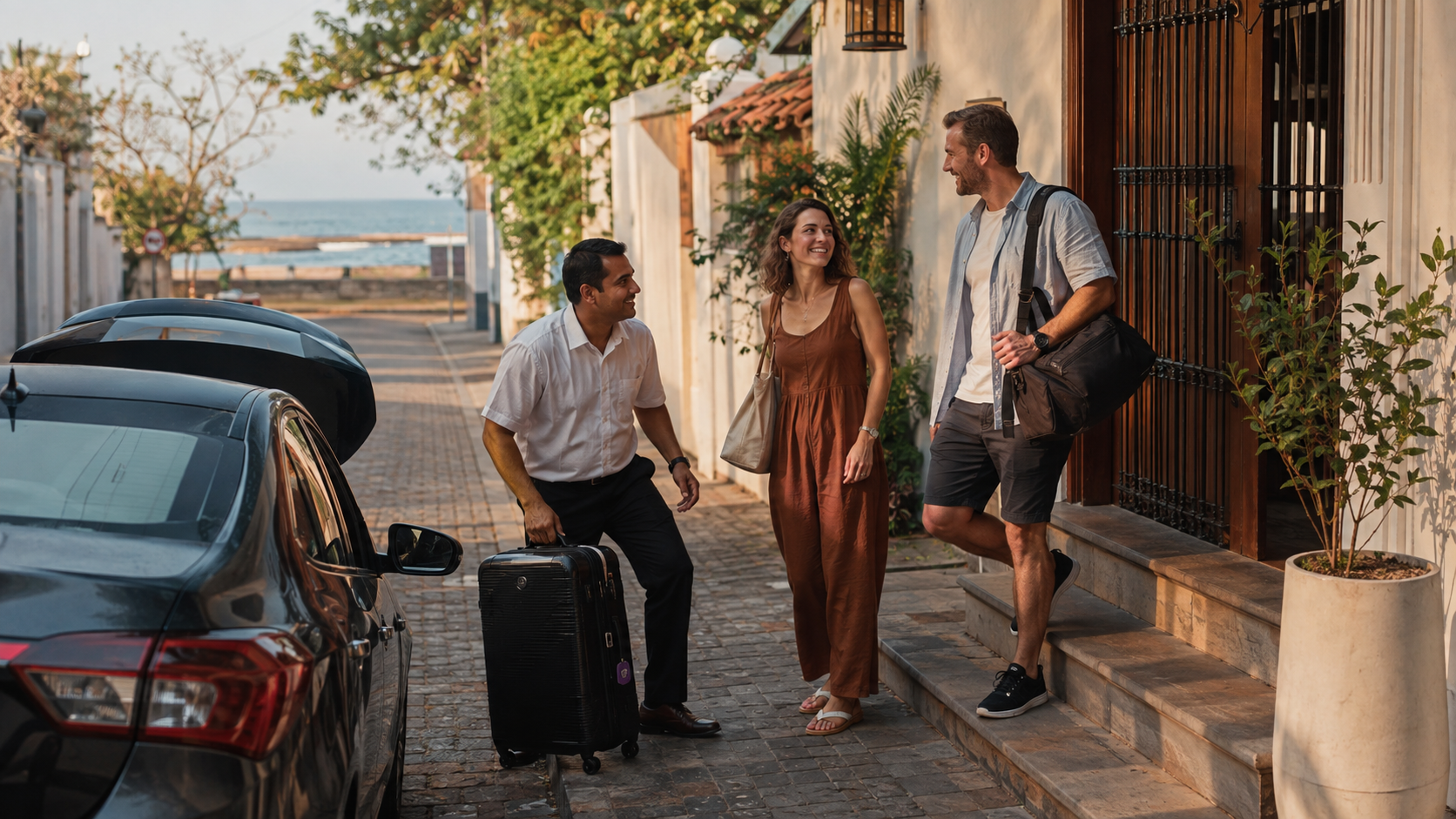
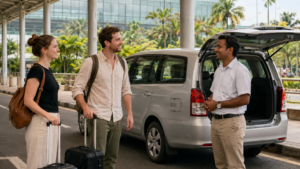
These guest photographs show the two facts a long itinerary cannot hide: the actual group has to meet the actual driver, and every bag has to fit the same vehicle used across the island.
Why this route works by private driver
A private car does not make distance disappear. It reduces repeated ticket negotiations, protects luggage between hotels and lets the same person understand the group’s pace, but that advantage is lost when the itinerary uses the vehicle to justify another faraway stop every day.
The driver should help identify long, moderate and light days before the hotels are booked. A valuable route review explains where hill roads, city traffic, site walking, train timing or a park gate may compress the schedule.
Use multi-night bases
Three nights around Sigiriya and three on the south coast create full days without luggage in the car. Two nights each in Kandy and Ella allow a later arrival to be absorbed without cancelling the only important experience.
Nuwara Eliya and the safari area remain single nights because they connect specific activities. If the travellers prefer slower walking, children need earlier finishes or the flight arrives late, remove one region and turn one of those stops into a second night.
Give every transport mode one job
The private vehicle carries the route and main luggage, the train provides one scenic highland experience, and the safari jeep operates inside the chosen park. The Sri Lanka transport comparison explains why these modes should complement each other rather than compete on every sector.
Before day one: lock flights, luggage and the vehicle
Write the scheduled landing time, the airline’s departure check-in requirement and all thirteen hotel nights into one brief. The first and last days must remain realistic even if the international flights are delayed or changed.
The airport-to-multi-day driver guide explains when the same driver should meet the flight and when a separate short transfer may be cleaner. A midnight arrival should not be followed by an ambitious pre-dawn departure merely to preserve the written route.
Photograph the luggage before choosing the car
Send one photograph showing the number and approximate size of every case, cabin bag and large item. Ask for a current boot photograph with the rear seats in the configuration that will actually be used.
Passenger seats should not become permanent luggage storage, and bags should not obstruct rear cooling or belts. A larger vehicle is worthwhile when it solves a verified space problem, not because its marketing category sounds more prestigious.
Name the driver and substitution rule
Compare recent review evidence, the licence or service category and the exact vehicle through the private-driver selection checklist. The written booking should say what happens if the named person or car becomes unavailable.
Arrival and the Cultural Triangle
The first four days create recovery and a single cultural base. They avoid the common mistake of climbing a major site directly after a long flight and then changing hotels again the next morning.
Airport → Negombo or airport area
Protect the arrival
Meet the driver, load every bag and make a short first transfer. Use the evening for food, cash, SIM arrangements if needed and sleep rather than a compulsory city tour.
Negombo → Sigiriya or Habarana
Begin the circuit after breakfast
Leave after a real breakfast and agree one useful meal or comfort stop. Reach the cultural base with enough daylight to understand the hotel and the plan for the early start.
Sigiriya base
Make Sigiriya the principal experience
Start according to current heat, opening and ticket advice, then protect a slower lunch and afternoon. Do not combine the climb with a distant second major site merely because the vehicle is waiting.
Cultural Triangle base
Choose one second cultural day
Select Polonnaruwa, Dambulla or another suitable heritage experience after considering walking, heat and the group’s interests. Keep the same hotel and make every additional stop optional.
UNESCO lists Sigiriya, Polonnaruwa and the Rangiri Dambulla Cave Temple among Sri Lanka’s World Heritage properties on its official country page. Their importance is a reason to choose carefully, not a reason to force all of them into one day.
Kandy and the first highland transition
Kandy is a cultural base and a route hinge, not only a hotel between Sigiriya and the train. Two nights make room for a proper cultural day while the driver deals with parking and agreed pedestrian pickup points.
Sigiriya → Kandy
Use the transfer selectively
Visit Dambulla on this road only if it was not used on day four and the group is comfortable with the steps and timing. Otherwise make the drive, meal and hotel arrival the day’s structure.
Kandy base
Give Kandy a complete day
Choose one principal heritage visit and one lighter experience such as the botanical garden, lake or viewpoint. Agree clothing, guide arrangements, meeting point and evening traffic before leaving the car.
Kandy → Nuwara Eliya area
Let the tea road breathe
Select one credible tea-related stop and one safe viewpoint instead of stopping at every waterfall or shop. Reach the highland hotel early enough to enjoy the cooler setting and check the next day’s rail plan.
The highland road is winding, weather-sensitive and visually rewarding, so the number of planned stops should remain small. Tell the driver whether the day is about a factory visit, scenery, gardens or simply reaching the hotel without fatigue.
The scenic train and Ella
The rail sector belongs in the itinerary only when it has a confirmed operational plan. Treat a reserved seat, published train and driver-luggage arrangement as separate questions rather than one vague promise that the train is included.
Sri Lanka Railways provides an official online schedule service for station times, train details and ticket information. Recheck the selected date and stations close to travel because a timetable result does not guarantee a seat or an unchanged operating day.
Nanu Oya → Ella by rail; driver by road
Use one planned train sector
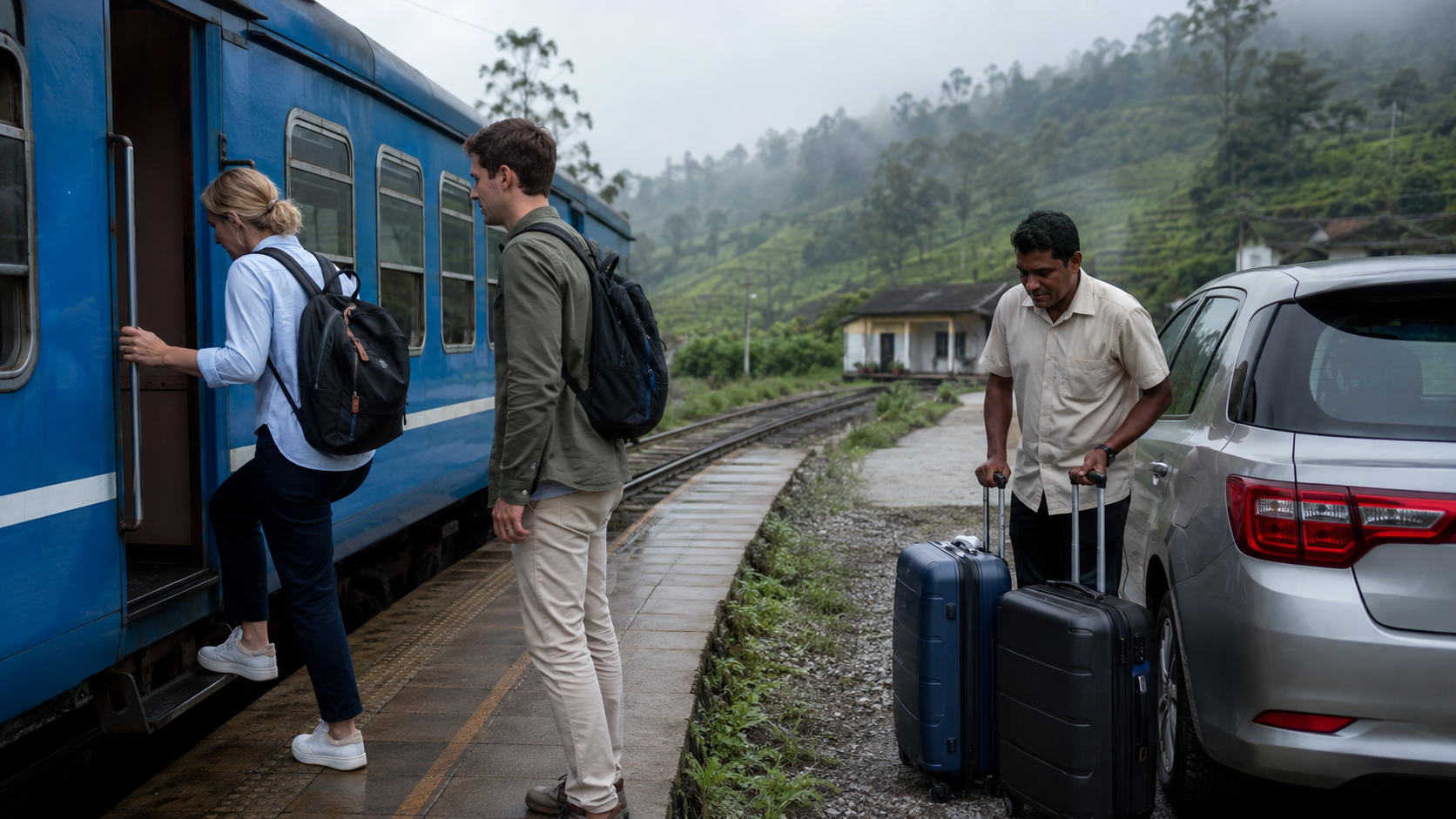
Travel with a daypack while the driver carries the main luggage by road and meets the group at the written station or hotel point. Keep the full road transfer as the agreed backup if the train plan fails.
Ella base
Keep a no-checkout highland day
Choose one walk, viewpoint or local experience that matches the group’s ability and current weather. Avoid filling both sunrise and sunset with compulsory outings after the previous day’s station logistics.
Write the handoff in complete sentences
The booking should state who buys the tickets, where the driver receives the suitcases, whether the passengers take only day bags and where everyone meets afterward. It should also name the plan if the train is missed, full, delayed or cancelled.
Never leave passports, medication, electronics or same-day essentials in luggage that will travel separately. The car gives continuity, but the travellers still need a small personal bag for the entire rail sector.
TWO-WEEK ROUTE NEXT STEP
Ask several suitable drivers to review the same 13-night route.
A long circuit exposes differences that a daily rate hides: vehicle space, hill-road judgement, train-luggage coordination, safari logistics, driver accommodation and the final airport buffer. Use LankaRide to compare relevant profiles and send one identical itinerary to more than one candidate, then judge both the written route comments and the total inclusions.
Confirm the named driver, exact vehicle, written inclusions, rail handoff and safari-jeep arrangement directly before travel. Availability and operating conditions can change.
Safari country and the separate jeep
The private touring vehicle normally reaches the safari base and coordinates the hotel or gate transfer, while the game drive uses a separate open jeep. These are different services, vehicles and driving environments, so the price and responsibility should be written separately.
Ella → Tissamaharama or chosen park base
Move toward the park without adding a safari
Use the transfer for a meal and one optional stop, then arrive with time to confirm the jeep and wake-up arrangement. Do not force an evening drive after a late departure from Ella.
Safari base → south coast
Take one focused safari, then leave
Use either a morning or afternoon game drive according to the confirmed park plan, not both by default. Afterward, meet the touring driver, retrieve the main luggage and continue to one south-coast base.
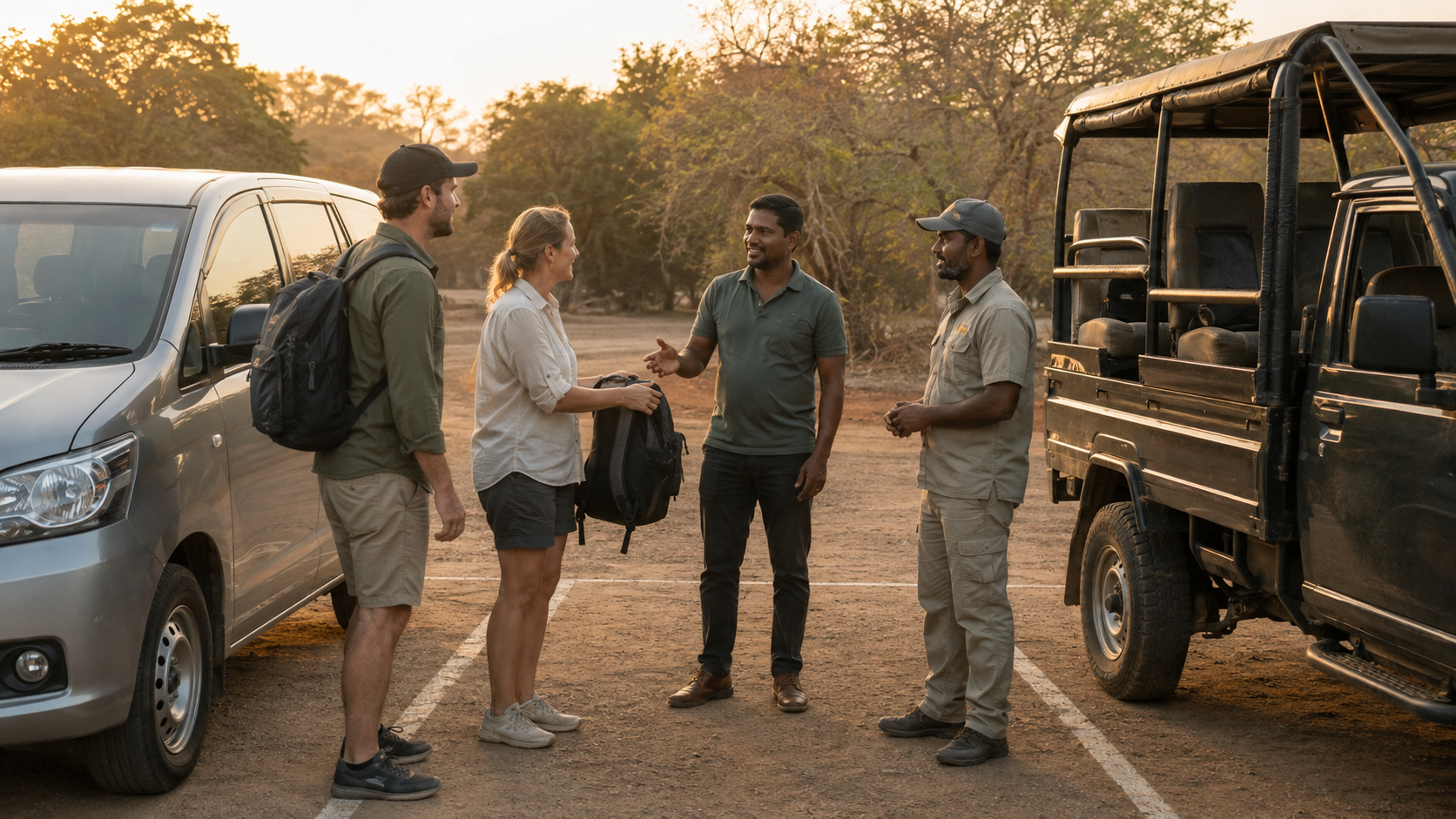
Sri Lanka’s Department of Wildlife Conservation states that visitors enter national parks with permits and prescribed conditions on its national-park information page. Sri Lanka Tourism also describes the country’s wildlife range in its official safari overview, but no itinerary can promise a particular animal sighting.
Choose the park by route and conditions
Do not use one park name as a permanent default for every season and hotel. Ask which park and gate fit the route, current access, likely driving time and the wildlife interests of the group, then confirm the answer again before travel.
A lower jeep price is not automatically a better safari. Compare the vehicle condition, driver conduct, permit, pickup, duration, naturalist arrangement and cancellation terms when access or weather changes.
The south coast and the airport finish
Three coastal nights give the route its recovery period. Use one base around Galle or a nearby beach rather than checking into a new hotel for each fort, bay and restaurant.
South-coast base
Make the first coastal day genuinely light
Sleep later, use the beach or hotel and choose one short local outing if energy returns. Keep the car available only for a clear purpose rather than creating another full circuit.
Galle and nearby coast
Combine heritage with a flexible afternoon
Visit Galle Fort in a comfortable part of the day and agree a practical drop-off and pickup outside restricted or congested areas. Leave the afternoon open for the hotel, coast or a meal chosen by the travellers.
South coast → airport
Work backward from check-in
Begin with the airline’s required airport arrival and add a current road buffer advised by the driver. An early flight may require moving night thirteen nearer Colombo or the airport instead of attempting a risky dawn transfer.
The Old Town of Galle and its Fortifications appears on UNESCO’s Sri Lanka list, but the fort remains a living area rather than a drive-through attraction. A useful driver agrees where the pedestrians will rejoin the vehicle and allows enough time to explore on foot.
REAL TAXI-CHARTER GUESTS
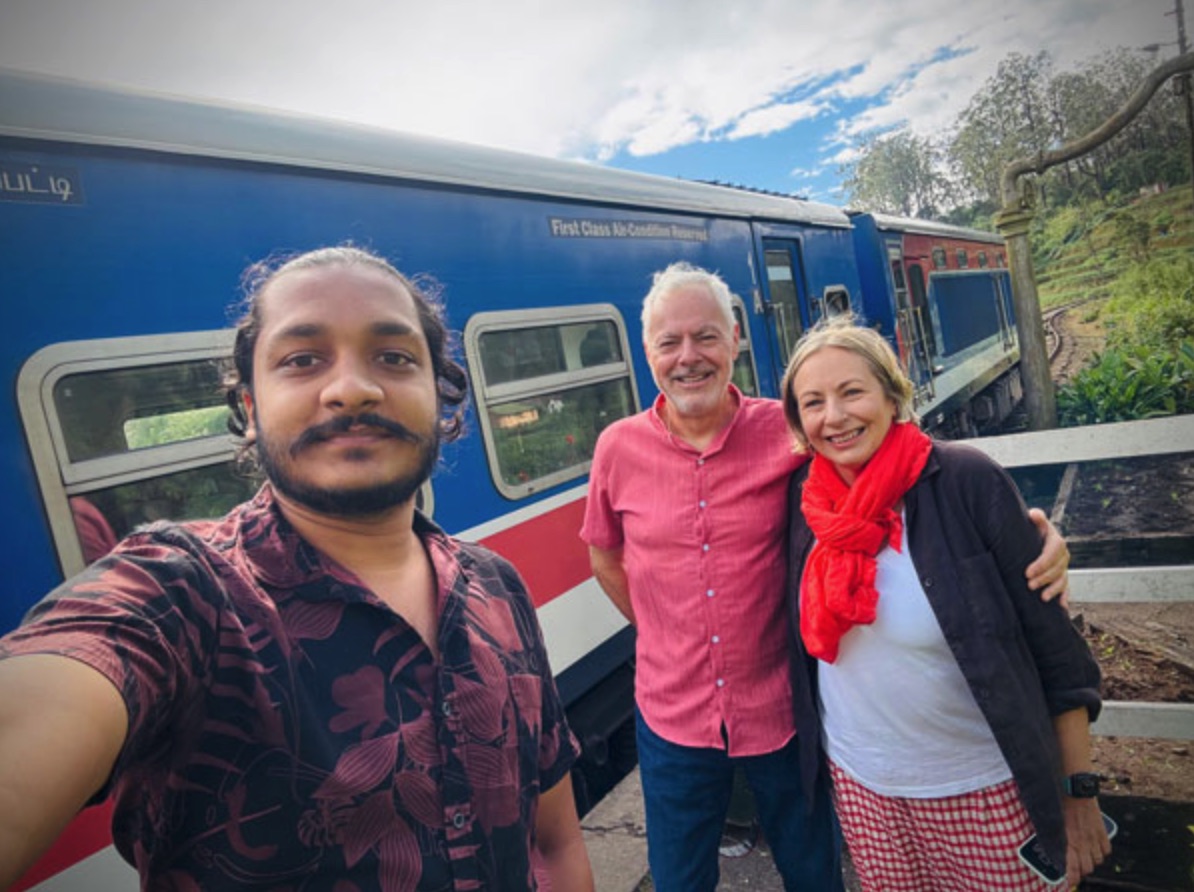
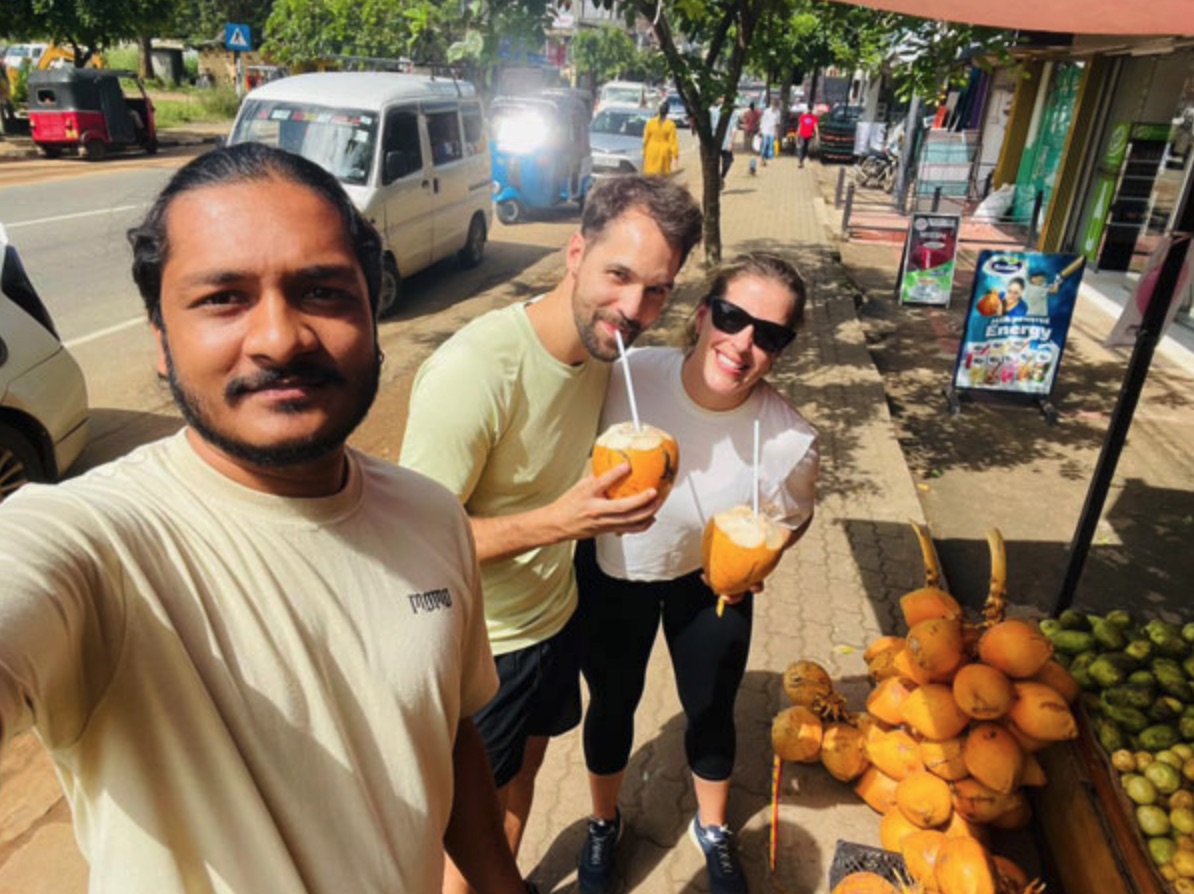
Real train and road moments later in the circuit
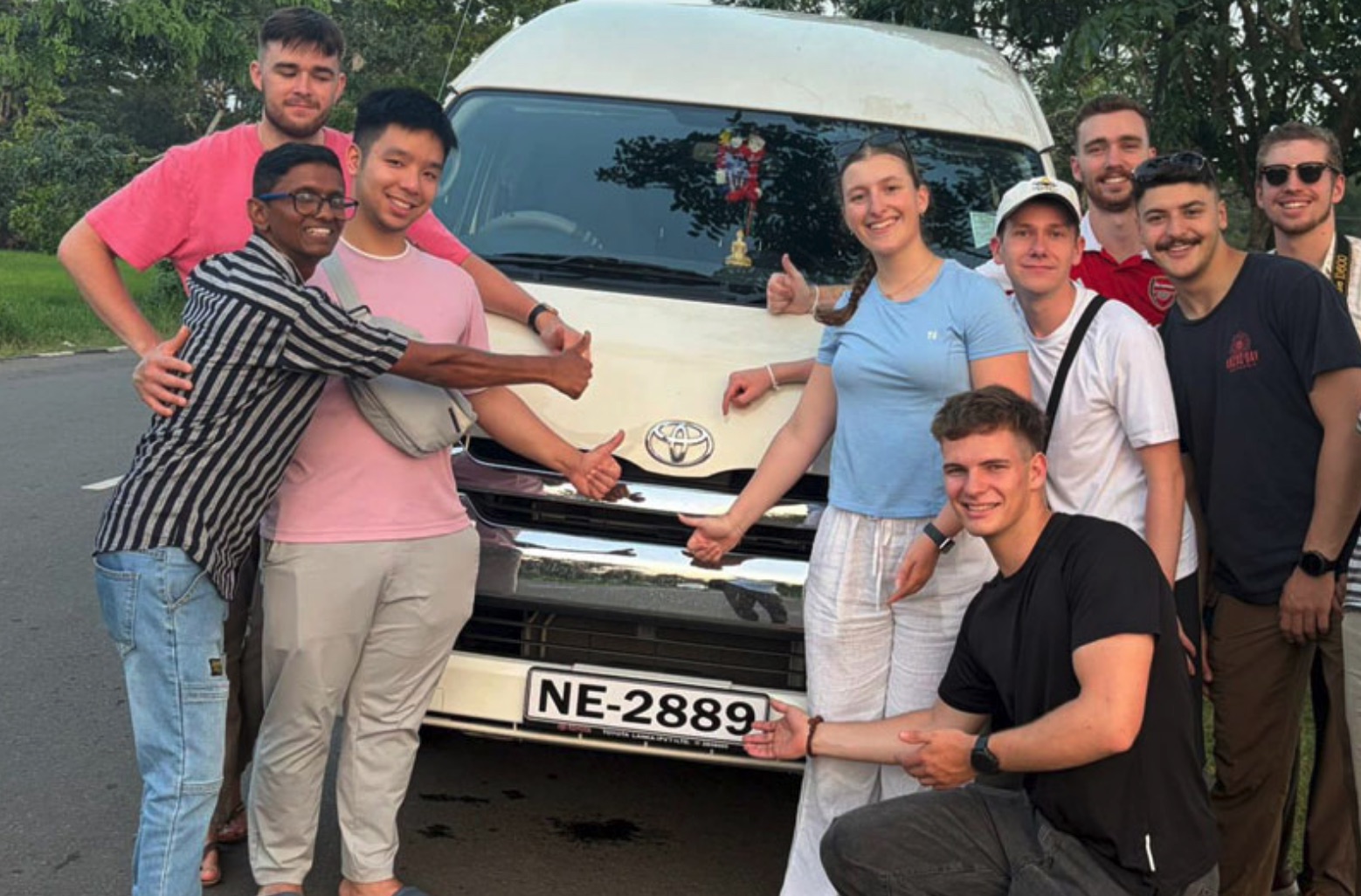
These guest photographs show why a two-week charter is more than continuous driving. The vehicle can support a chosen train sector and useful roadside pauses while the travellers keep control of the day.
Private car, train and safari jeep: divide responsibility
Write a short responsibility map before paying deposits. The touring driver covers airport contact, road transfers, main luggage and agreed hotel movements, while the railway controls its service and the safari operator controls the separate jeep and park entry process.
The driver may help coordinate the other modes without guaranteeing them. Ask what practical help is included and which tickets, permits or third-party payments remain the traveller’s responsibility.
Train responsibilities
Name the booking party, travel date, exact origin and destination stations, class, train number if known and seat status. Record where the main cases travel, where the driver waits and how the passengers communicate if the train arrives elsewhere or at a different time.
Safari responsibilities
Name the park, gate, approximate drive length, jeep capacity, pickup point, permit arrangement and whether a separate naturalist is included. Confirm whether the touring driver’s waiting and onward transfer are already inside the circuit price.
Hotel and road responsibilities
Provide exact hotel links or addresses because similarly named properties can sit on different roads. Mark days when the vehicle is not needed so waiting expectations and driver duty hours remain clear.
Adjust the route for flights, weather and travel style
The route is a framework, not a contract with the weather. Keep the order and number of nights flexible until the flights, current railway plan, park access and preferred coast are known.
Late arrival
Keep the first night near the airport and begin the Cultural Triangle on day two as written. If the aircraft lands so late that day two also starts slowly, remove one optional cultural visit rather than pushing the first transfer into the night.
Early departure
Move night thirteen toward Colombo or the airport and use day thirteen for Galle followed by the northbound transfer. The coast loses part of one night, but the international flight gains a defensible margin.
Slower travellers and families
Replace one single-night stop with a second night and remove the attraction that created the least value for the group. The five-day planning guide explains the same principle at a shorter scale: protect the base and airport days before preserving every destination name.
No train
Use the private car for the highland road and choose one or two safe scenic stops. The route remains complete without the railway because the purpose is tea-country time, not collecting a particular transport photograph.
No safari
Add the released night to Ella or the south coast and drive directly between those regions with one sensible break. Removing the jeep day can make the itinerary more suitable for travellers who prioritise walking, food or hotel time.
Choose the driver category for this itinerary
A long culture-heavy route may benefit from a chauffeur-guide or another qualified service category, while travellers who book specialist site guides may prefer a transport-focused driver. The correct choice depends on where interpretation is needed and what the licence or service description actually covers.
Read the chauffeur-guide and tourist-driver comparison, then use the driver directory and traveller reviews to compare relevant evidence. Friendly conversation in the car should not be confused with specialist guiding inside every heritage site.
Ask for route criticism
Send the complete itinerary and ask each candidate to identify the hardest day, the first change they would recommend and the place where an extra night would matter most. A thoughtful answer is more useful than immediate agreement with every request.
The driver should also explain where a local guide, separate rail booking or safari operator is needed. Clear limits are a positive planning signal because they reduce assumptions before the trip.
Compare written quotes on identical conditions
The quoted total means little until the route, vehicle, service category and third-party items match. One proposal may include driver accommodation and parking, while another may exclude them or assume a shorter daily route.
Use the quote-comparison guide to align the inclusions and the driver cost guide to understand how duration, distance, vehicle and service level influence price. Compare the final written total rather than choosing from daily-rate headlines.
Send this same brief to every shortlisted driver
- Arrival and departure flight numbers, scheduled times and the airline’s check-in requirement.
- All 13 hotel nights with exact addresses, plus any stay that is not yet fixed.
- Passenger count, every large suitcase, cabin bag, stroller and mobility requirement.
- The exact vehicle, current exterior and boot photographs, seat belts and rear cooling.
- The named driver, licence or service category, language level and substitution rule.
- The scenic-train sector, who keeps the luggage and the road backup if the rail plan fails.
- The safari park, gate, jeep, permit, naturalist or tracker and hotel-to-gate transfer.
- Included kilometres, hours, fuel, tolls, parking, waiting and driver accommodation.
- Rules for route changes, late starts, extra nights, cancellation and payment.
- An emergency contact and the response to a delayed flight, vehicle problem or missed train.
A strong reply names the car, comments on the difficult sectors, separates railway and safari costs and states what changes the price. Request clarification when the answer uses unlimited language but does not define hours, kilometres, waiting or exclusions.
Packing and daily vehicle habits
The route crosses warm lowlands, cooler highlands, a dusty safari environment and the coast. Use soft day bags inside the cabin and keep the large cases organised so every short stop does not require a complete unload.
Carry water, sun protection, rain protection and a light highland layer where they can be reached safely. Medication, documents and electronics should remain with the travellers during any rail or jeep separation.
Agree a daily reset
At each hotel, confirm the next departure, first stop, expected drive character and which bags remain in the vehicle. This two-minute reset prevents yesterday’s assumption from silently becoming tomorrow’s plan.
Keep roadside stops optional
Tea shops, viewpoints and fruit stalls can improve a road day when they are safe and genuinely wanted. The driver should ask rather than treat shopping or commission-linked stops as compulsory itinerary items.
Frequently asked questions
Is two weeks enough for culture, tea country, safari and the coast?
Yes, when the trip uses multi-night bases and one coherent direction of travel. It is not enough for every famous site, several parks and multiple beach regions without turning the circuit into repeated transfers.
Does this plan mean fourteen full sightseeing days?
No. It assumes thirteen hotel nights from arrival to departure, and days one and fourteen are primarily flight and transfer days.
Should the same private driver stay for the entire route?
Continuity can simplify luggage, communication and route adjustments. Confirm the named driver, vehicle, overnight arrangement, rest expectations and substitution rule before relying on that continuity.
Can the private driver take us inside the national park?
The touring car normally remains outside the game drive, which uses a separate safari jeep arranged for the selected park and gate. Confirm the permit, jeep, pickup, driver or naturalist and payment responsibilities in writing.
Can the driver carry our luggage while we take the train?
Yes, when that service, the handoff point and the meeting plan are explicitly agreed. Keep passports, medicines and same-day essentials with the travellers throughout the rail sector.
Do we need both Nuwara Eliya and Ella?
They serve different route functions here: one night positions the train and tea-country transition, while two Ella nights provide a no-checkout day. Travellers who dislike hotel changes can choose only one and use the released night elsewhere.
Which safari park should we choose?
Choose according to the route, current access, season, wildlife interests and official or local operating advice close to travel. Do not select only by a promised species sighting because wildlife remains unpredictable.
Where should we stay on the south coast?
Choose one base that fits the preferred beach, Galle access and final airport plan. Three nights in one suitable area usually create more rest than changing hotels to collect several coastal names.
What if our international flight arrives late and leaves early?
Keep the first and last nights near the airport or Colombo and remove one distant region or single-night stop. Airport certainty should take priority over reproducing every line of the model itinerary.
Is a ten-day route a better fit?
Use the ten-day round trip when the flight calendar or budget cannot support thirteen nights. Remove a region and keep the route logic rather than compressing the same fourteen-day list.
Final verdict
A realistic two-week Sri Lanka private-driver itinerary can combine culture, tea country, safari and the coast. Its success comes from multi-night bases, a protected arrival, one explicit train handoff, a separate safari-jeep plan and a final coastal stay that does not endanger the flight.
Send the same flights, hotels, luggage, vehicle requirements and third-party transport questions to several suitable drivers. Compare how they explain the difficult days as carefully as the price, then keep every important inclusion in the final written booking.


 English
  French
  Spanish
  German
  Chinese
  Arabic